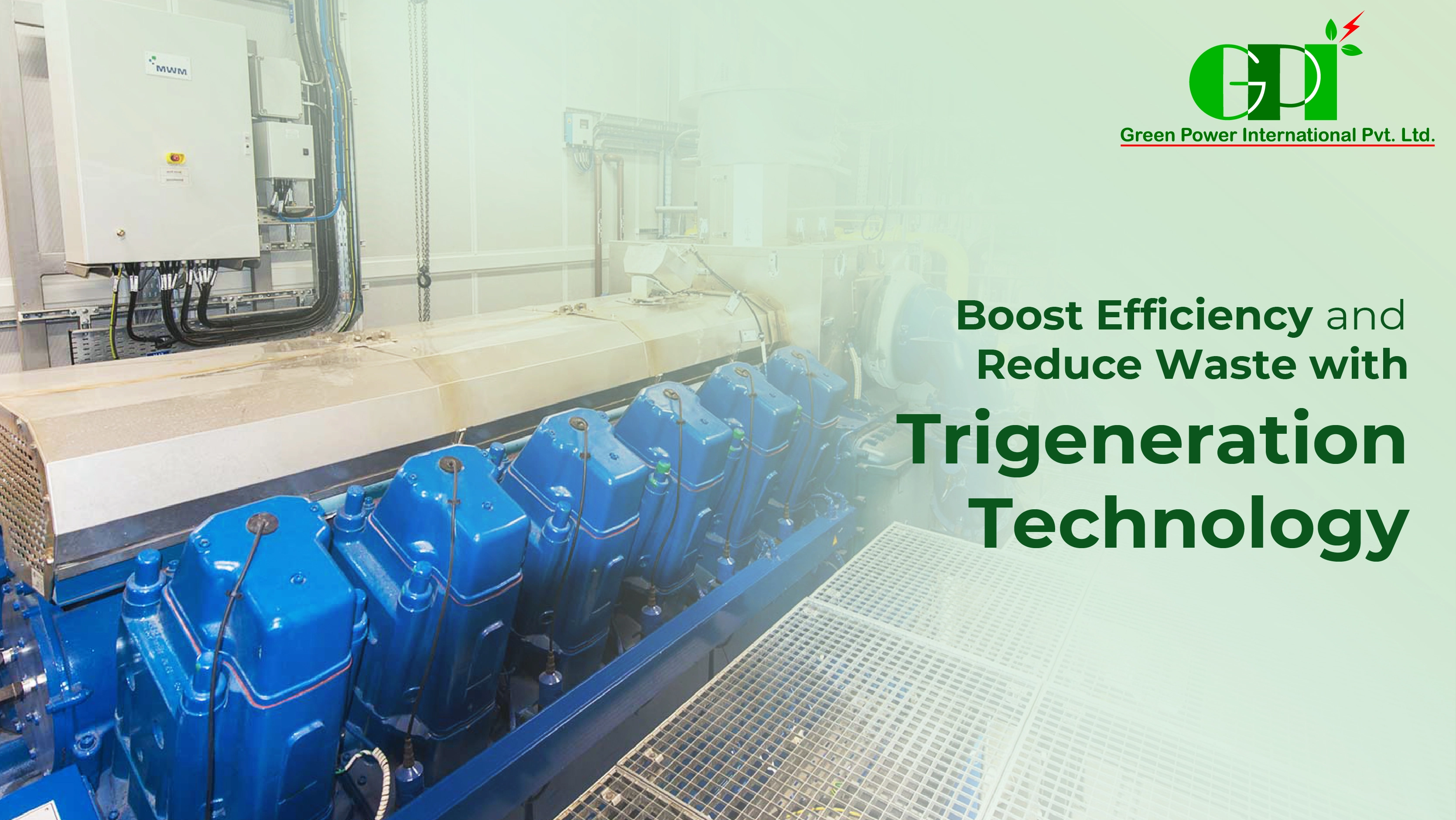
Our Take On Why Industries Are Choosing Cogeneration Power Plants
Energy management has become the top-most priority for industries today. Companies face stricter environmental regulations, energy costs, and the need for uninterrupted operations. So, finding solutions that decrease costs while supporting sustainability and maintaining reliability is essential. A cogeneration power plant provides a compelling solution that delivers both thermal energy and electricity from a single fuel source. We, at Green Power International, have seen a rising trend of businesses embracing cogeneration power plants to lower energy expenses, enhance operational reliability, and support sustainability initiatives. This approach guarantees organizations remain competitive while lessening environmental impact. If you are wondering what a cogeneration power plant is, it is essentially a system designed to generate electricity and useful heat simultaneously, maximizing energy efficiency.
How a Cogeneration Plant Works
A cogeneration power plant, also known as a combined heat and power plant, operates on the principle of using one fuel source to produce both electricity and thermal energy simultaneously. A significant portion of energy is lost as heat in conventional power generation. A cogeneration plant seizes this heat and repurposes it for steam generation, water heating, and/or climate control. And the result we get is an efficient system that maximizes fuel usage. Depending on the setup, industries can choose from natural gas, biogas, or other fuels to power these systems. Producing electricity and thermal energy simultaneously enables cogeneration plants to achieve overall efficiencies of 60–80%, surpassing those of standalone power and heat systems.
Key Reasons Why Industries Are Choosing Cogeneration Plants
Industries are increasingly acknowledging the multifaceted advantages that cogeneration plants offer. Its benefits include:
Higher Energy Efficiency
Cogeneration plants produce both usable thermal energy and electricity from a single fuel source, which reduces energy waste compared to traditional power generation systems. This makes them valuable for energy-intensive industries like oil refineries.
Cost Savings
Generating electricity on-site lessens the reliance on the grid, while the recovered heat can be utilized for manufacturing processes, building climate control, or water heating. Over time, these savings get collected, making the initial investment in a cogeneration plant worthwhile.
Operational Reliability
A cogeneration plant ensures a continuous, stable energy supply, which is critical for healthcare facilities operating life-saving equipment, financial institutions running data centers, or oil operations requiring uninterrupted processes. Reliable energy, in simpler words, means continuous productivity.
Environmental Benefits
Efficiency in the utilization of fuel leads to lower greenhouse gas emissions, enabling industries to be a step closer towards meeting their sustainability goals and complying with regulatory standards. Companies that have adopted cogeneration systems are demonstrating environmental responsibility while maintaining operational efficiency and cost-effectiveness.
Advanced Technology
Most cogeneration plants integrate systems that offer smart monitoring along with predictive maintenance, ensuring optimal fuel usage at all times, and avoiding unplanned downtime, while maintaining operational reliability.
Long-Term Strategic Investment
Whilst this is CapEx intensive; the combination of energy savings, improved efficiency, and operational persistence ensures strong returns over time. Companies that have adopted cogeneration systems have often experienced these investments pay off within a few years.
Enhanced Energy Security
On-site electricity and thermal generation protect industries from grid outages and price fluctuations, providing greater control over energy supply and strengthening long-term planning.
Applications Across Industries
Cogeneration plants provide electricity and steam necessary for the processing operation and refining. In the healthcare industry, all the facilities depend on stable electricity for the smooth running of critical medical equipment while using waste heat to generate hot water and heat for heating systems. Likewise, financial institutions benefit from a continuous supply of power to maintain important data center operations that include climate control. This versatility highlights why these plants are becoming an essential energy solution across sectors.
Leveraging Technology for Maximum Efficiency
With our expertise in gas gensets and EPC solutions, we assist industries in designing and implementing cogeneration plants that can meet high operational standards. This way we ensure that industries achieve maximum efficiency while decreasing the risks associated with unexpected equipment failures.
Return on Investment and Long-Term Planning
Investing in a cogeneration power plant is a progressive decision. The initial capital expenditure is offset by significant reductions in energy costs, lower environmental compliance costs, and increased operational reliability. Over time, these savings and performance improvements contribute to a strong return on investment. Industries that adopt cogeneration plants position themselves for short-term efficiency and for long-term operational sustainability and energy security.
A Strategic Energy Solution
Operational, economic, and environmental factors drive the growing trend toward cogeneration power plants. Industries across the sectors are increasingly looking for solutions that are reliable, efficient, and sustainable. A cogeneration plant produces both thermal energy and electricity, reducing costs, enhancing efficiency, and lowering environmental impact. We observed that adopting these plants enables industries to optimize their operations and meet regulatory requirements while enhancing their long-term energy security. With their efficiency, flexibility, and sustainability advantages, cogenerative systems are becoming the preferred energy solution for forward-looking industries.
Frequently Asked Questions (FAQs):
-
What is an example of a cogeneration plant?
A common example of a cogeneration plant is a facility that generates electricity and captures waste heat for industrial processes, such as a natural gas or biomass-powered plant supplying electricity to a factory while using the heat for steam or hot water.
What are the benefits of cogeneration?
Cogeneration plants such as those operated by Green Power International, offer higher energy efficiency, lower operational costs, reliable power supply, reduced greenhouse gas emissions, and flexibility to meet different industrial energy needs. They also enhance energy security and provide a strong long-term return on investment.