How Compressed Biogas Can Help Reduce Your Energy Costs and Emissions
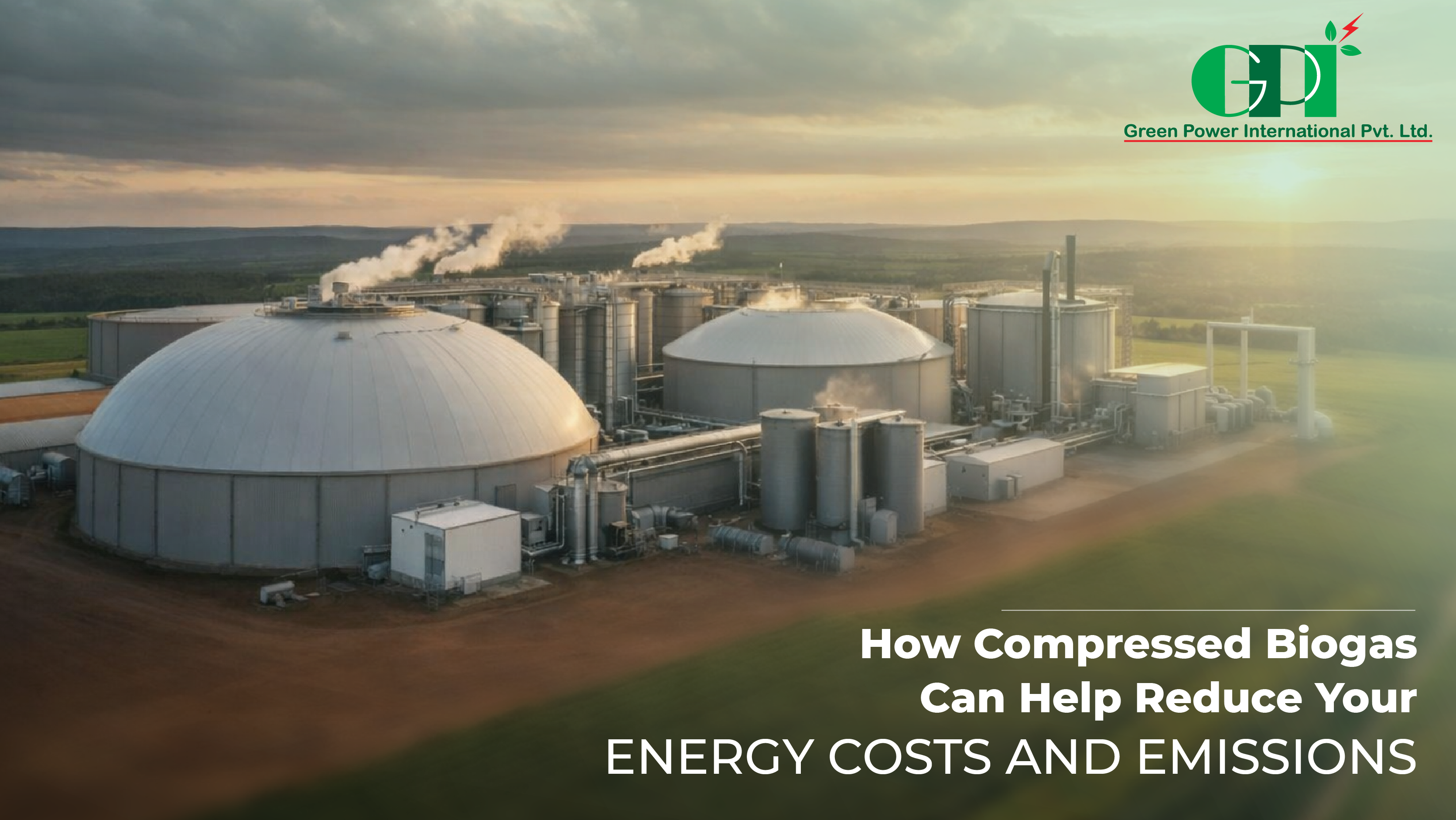
Energy consumption continues to rise across industries, prompting organizations to seek solutions that deliver both economic value and environmental responsibility. This shift has led to a stronger focus on renewable alternatives that deliver consistent performance without the volatility of traditional fossil fuels. Compressed biogas (CBG) has steadily moved into this space as a dependable, cost-efficient, and cleaner fuel option. Many businesses are now exploring its potential because of its ability to lower emissions, streamline operational costs, and support long-term sustainability goals. Understanding what is compressed biogas has become especially important as industries actively evaluate cleaner and more resilient energy sources.
The broader biogas sector also reflects this shift in priority. Market evaluations show that the biogas industry, valued at over USD 67 billion in 2024, is projected to expand substantially, with estimates placing its value close to USD 100 billion by 2032. This upward movement reflects a clear industry-wide shift toward renewable energy options that balance practicality and long-term value. As organizations evaluate cleaner pathways, CBG stands out as an energy source that aligns with both environmental expectations and operational feasibility.
What is Compressed Biogas and Why it Matters for Today’s Industries
Cleaner Energy With Strong Environmental Benefits
CBG is produced through anaerobic digestion, a process that converts organic materials into usable energy. This approach reduces methane emissions and supports a low-carbon operating environment. The resulting gas, once purified and compressed, delivers high energy output with a significantly smaller environmental footprint than coal, diesel, or furnace oil.
Improved Cost Control and Better Energy Stability
Organizations depend on predictable pricing to manage operational budgets effectively. CBG offers a stable cost structure compared to conventional fuels, which are often affected by global market fluctuations. Its local production model also supports more reliable supply chains, reducing dependence on imported fuels.
High Versatility Across Sectors
The flexibility of a compressed biogas plant makes it suitable for a range of operational needs. Common compressed biogas uses include thermal applications, captive power generation, boilers, furnaces, kilns, and transportation fleets. Many companies are now considering CBG as part of their long-term energy strategy because it integrates smoothly with multiple industrial systems.
Stronger Public Health and Environmental Impact
CBG helps replace polluting fuels with a cleaner alternative, thereby lowering concentrations of particulate matter and other air pollutants. Communities benefit from improved air quality, creating healthier environments for employees and residents.
Key Considerations Before Transitioning to CBG
Feedstock Availability
A consistent supply of agricultural residues, organic waste, biomass, or industrial by-products is crucial for maintaining uninterrupted biogas production. Regions with abundant organic waste streams usually offer higher project viability.
Infrastructure and Delivery Systems
Proper storage, pressure systems, gas pipelines, and equipment compatibility must be evaluated carefully to ensure seamless adoption.
Technical Compatibility
A detailed engineering assessment ensures that boilers, furnaces, burners, and generators can operate efficiently with CBG without compromising performance.
Compliance and Safety Regulations
Stringent safety standards govern the handling, storage, and transport of compressed gases. Adhering to these regulations ensures smooth project execution.
How We Support Reliable CBG (Compressed bio gas) Project Execution
We, at Green Power International contribute to the development of reliable CBG infrastructure through structured, specialized services that support organizations at every stage of their renewable energy journey. Our involvement typically includes:
EPC & EPCM Services
Full-scale Engineering, Procurement, and Construction services, along with EPC project management, are designed to bring clarity, precision, and quality assurance to every project phase.
Project Management Services
Detailed oversight of scheduling, resource allocation, and coordination, ensuring projects progress in an organized and efficient manner.
Installation Services
Professional installation aligned with industry standards, guaranteeing smooth integration of gas engines, modules, or CBG systems.
Package Module Solutions
Modular and customizable packages that support faster deployment and scalability for plants of varied sizes.
Experience With Diverse Feedstocks
Expertise in handling agricultural residue, organic waste, biomass, and industrial by-products ensures higher adaptability for facilities across regions.
Flexibility and sustainability define our approach to energy generation. We work with an extensive range of feedstocks, such as organic waste, agricultural waste, industrial by-products, and biomass. Our flexible sourcing approach ensures projects are sustainable, yet highly efficient and cost-effective.
Compressed biogas has become an essential component of modern industrial energy planning. Its environmental benefits, cost efficiency, and broad applicability make it an attractive option for organizations seeking cleaner, more reliable fuel options. As industries continue to prioritize sustainable growth, CBG stands out as a practical, future-ready energy solution that supports performance, stability, and environmental progress.
Frequently Asked Questions (FAQs)
1. What is the difference between compressed biogas and CNG?
Compressed biogas is produced from organic waste, while CNG is derived from natural gas. CBG is renewable, whereas CNG is non-renewable.
2. What are the two types of biogas?
Biogas is typically categorized as raw biogas and upgraded biogas, the latter being purified for uses such as CBG.
3. What is a biogas compressor?
A biogas compressor increases the pressure of processed biogas for bottling, storage, or transportation. At Green Power International, we support such systems as part of integrated project solutions.