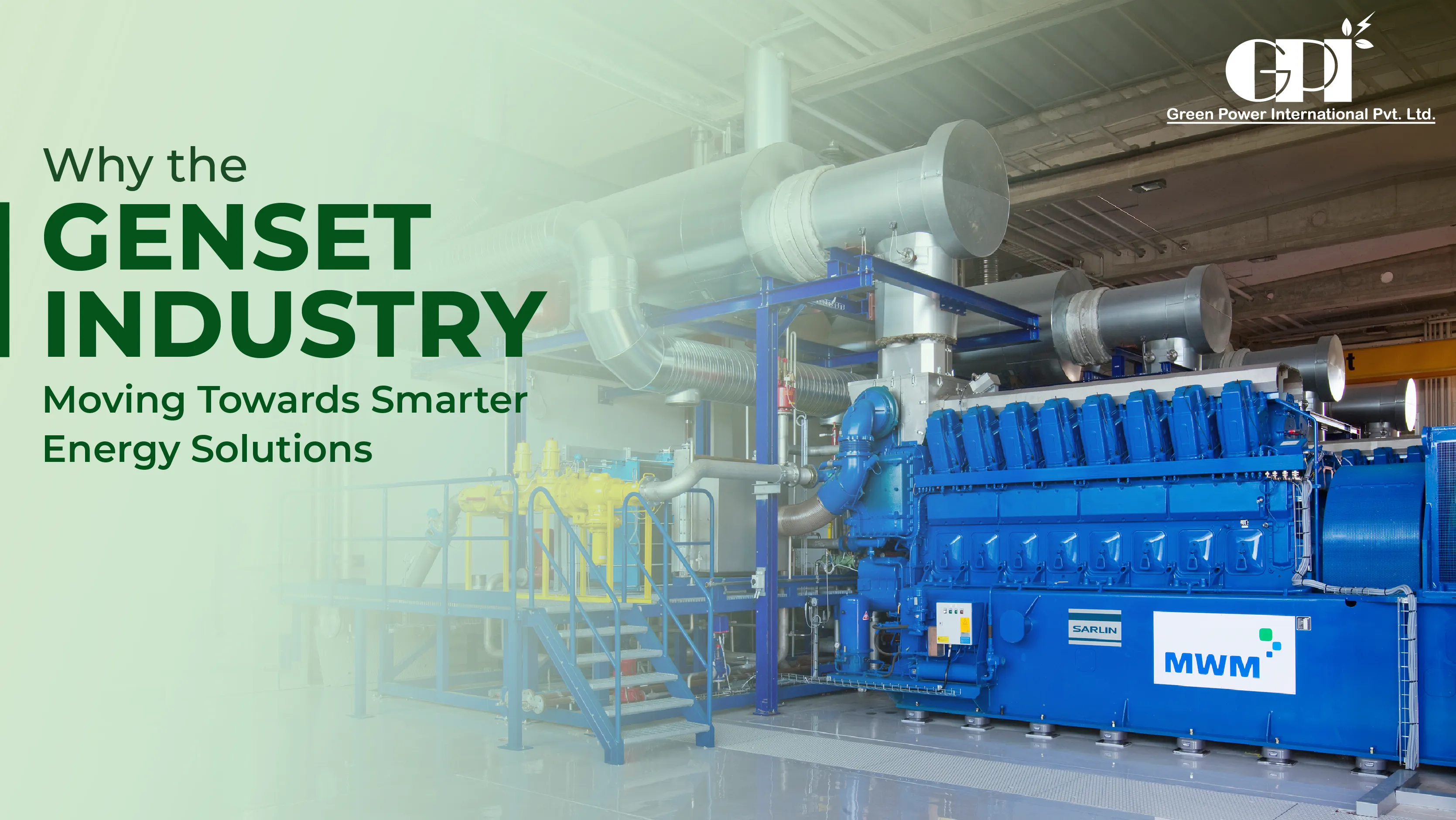
Why the Genset Industry Is Moving Towards Smarter Energy Solutions
Reliable power has always been essential for businesses, industries, healthcare facilities, commercial establishments, and infrastructure projects. For years, gensets have served as dependable sources of backup and prime power, helping organizations maintain continuity during outages and periods of high demand. Today, however, the role of gensets is evolving. Businesses are looking beyond basic power generation and paying closer attention to efficiency, operational visibility, environmental performance, and long-term value.
As these expectations continue to grow, the genset industry is moving towards smarter energy solutions. This shift is being driven by several practical factors, including rising fuel costs, increasing sustainability goals, the growing use of digital technologies, and the need for greater reliability. These developments are shaping how gensets are designed, managed, and integrated into modern energy systems.
Understanding the Shift Towards Smarter Energy Solutions
The growing demand for advanced power solutions is also reflected in the industry's outlook. As per Econ Market Research analysis, the global genset market valuation stood at US$ 53.9 billion in 2026 and is expected to reach US$ 97.65 billion by 2035, growing at a CAGR of 6.0% from 2026 to 2035.
This growth highlights the continued importance of gensets across industries. At the same time, customer expectations are changing. Organizations are looking for power systems that deliver reliability while supporting efficiency, sustainability, and improved operational control. These evolving requirements are accelerating the adoption of smarter energy solutions across the industry.
Key Factors Driving the Move Towards Smarter Energy Solutions in the Genset Industry
The transition toward smarter energy solutions is being influenced by several interconnected factors. From improving operational efficiency to supporting environmental objectives, organizations are seeking solutions to manage power generation more effectively.
Businesses Want Greater Visibility Into Power Systems
One of the biggest reasons behind this shift is the growing need for operational visibility.
Traditional genset management often relied on periodic inspections and manual monitoring. Modern businesses prefer access to real-time information to understand how their equipment is performing at any given moment.
Smart genset technologies provide insights into fuel consumption, engine health, load conditions, operating hours, and maintenance requirements. This information enables operators to identify issues early, improve planning, and make informed decisions that support better performance.
For organizations managing multiple sites, remote monitoring capabilities add another layer of convenience and operational control.
Fuel Costs Are Driving the Need for Better Efficiency
Fuel expenses represent a significant portion of the overall operating cost of a genset.
As businesses continue to focus on cost optimization, there is growing demand for solutions that can maximize fuel efficiency without compromising performance. Manufacturers are responding by integrating intelligent controls, advanced engine technologies, and load optimization systems into modern gensets.
These technologies help improve fuel utilization, reduce wastage, and support more efficient operation across varying load conditions. As a result, organizations can better manage operating costs while maintaining reliable power availability.
Sustainability Goals Are Influencing Investment Decisions
Environmental performance has become an important consideration across industries.
Many organizations are working toward sustainability targets and exploring ways to reduce emissions associated with their operations. This is encouraging the development of cleaner, more efficient power-generation technologies.
Growing interest in carbon capture technology is one example of how the energy sector is exploring solutions to support emissions-reduction objectives. While adoption varies across applications, these discussions reflect a broader effort to align power generation with environmental priorities.
The industry's increasing focus on sustainability is encouraging innovation in engine performance, emissions management, and fuel flexibility.
Reliability Expectations Continue to Rise
Power interruptions can have significant operational and financial consequences.
Manufacturing facilities can experience production delays, healthcare institutions depend on continuous power for critical operations, and data centers require uninterrupted uptime. As a result, organizations expect higher levels of reliability from their power systems.
Smart technologies help address these expectations through predictive maintenance capabilities, automated alerts, and advanced diagnostics. These features enable operators to identify potential issues before they lead to equipment failure, helping improve system reliability and reduce unexpected downtime.
Hybrid Energy Systems Are Becoming More Common
The growing adoption of renewable energy is creating new opportunities for integrated power solutions.
Many organizations are combining gensets with solar energy systems, battery storage technologies, and energy management platforms. These hybrid configurations help optimize energy usage while ensuring reliable power availability when needed.
Smart controls play an important role in coordinating multiple energy sources, allowing businesses to manage power generation more efficiently. This ability to integrate seamlessly with broader energy systems is contributing to the industry's move toward smarter solutions.
Customers Need Flexible and Scalable Solutions
Every project has unique power requirements.
Some organizations require temporary power solutions, while others need long-term installations capable of supporting future expansion. This diversity of requirements is encouraging manufacturers and solution providers to develop more flexible systems.
Modern gensets increasingly feature scalable designs, modular configurations, and adaptable control systems. These capabilities allow businesses to align power solutions with their current needs while maintaining flexibility for future growth.
Why Expertise Matters in This Transition
As genset systems become more advanced, successful implementation depends on more than equipment selection alone. Engineering expertise, system integration, installation quality, and project execution all play an important role in achieving desired outcomes.
At Green Power International, we continue to see organizations placing greater emphasis on efficiency, reliability, and long-term performance when evaluating power solutions. These changing expectations are encouraging businesses to take a more strategic approach to power generation planning.
Our experience in delivering energy solutions allows us to support projects through engineering, project execution, installation, and system integration. By understanding the specific requirements of each application, we help customers implement solutions that support both current operational goals and future needs.
This shift is also influencing how genset manufacturing companies in india approach product development and project delivery. Greater emphasis is being placed on digital technologies, fuel optimization, system intelligence, and seamless integration with modern energy infrastructure.
Looking Ahead
The genset industry is moving toward smarter energy solutions because businesses are seeking greater efficiency, improved reliability, enhanced operational visibility, and stronger environmental performance.
Digital monitoring, predictive maintenance, intelligent controls, hybrid energy integration, and sustainability-focused innovations are all contributing to this transformation. As technology continues to advance, smart energy solutions will play an increasingly important role in helping organizations manage power generation more effectively.
As we look ahead, the future of the genset industry will be shaped by its ability to combine dependable power generation with intelligent system management, operational efficiency, and evolving energy requirements. This ongoing transformation is creating new opportunities for businesses to build power systems that are better aligned with the demands of a modern energy environment.