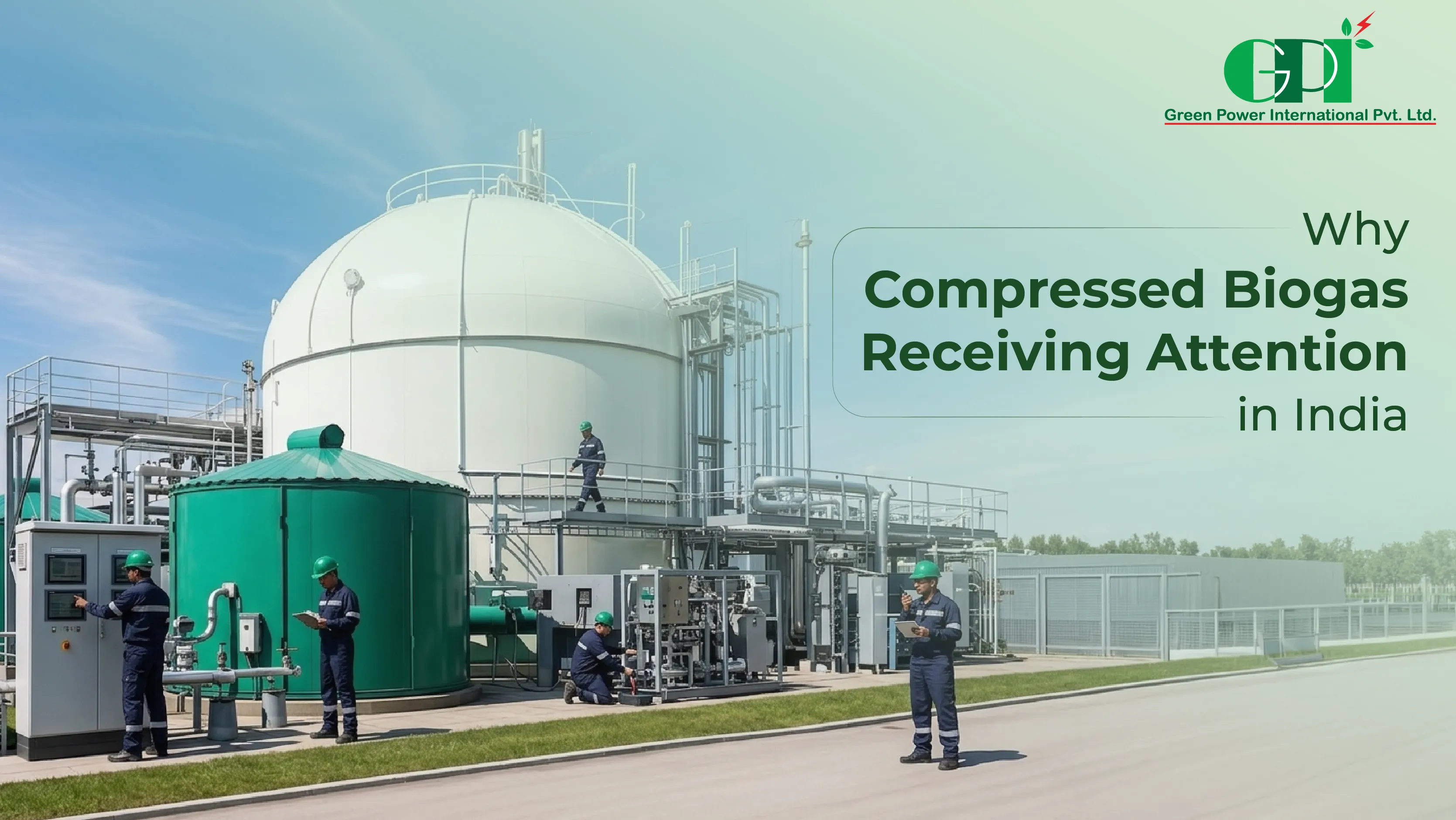
Understanding Why Compressed Biogas Is Receiving Increased Attention in India
India's energy needs are growing, and so is the focus on finding cleaner and more sustainable ways to meet them. At the same time, industries, municipalities, and policymakers are looking for effective solutions to manage organic waste while reducing dependence on conventional fuels. These developments have brought compressed biogas (CBG) into the spotlight.
Over the past few years, CBG has evolved from being a niche renewable energy solution to becoming an important part of discussions around energy security, waste utilization, and sustainability. Its ability to convert waste into a valuable fuel makes it relevant across multiple sectors. As investments increase and more projects become operational, compressed biogas is receiving growing attention throughout India. The reasons behind this shift are both practical and long-term, making CBG a topic that continues to gain momentum across the country's energy ecosystem.
Understanding the Basics of Compressed Biogas
Before exploring the reasons behind its growing popularity, it is important to understand what is compressed biogas.
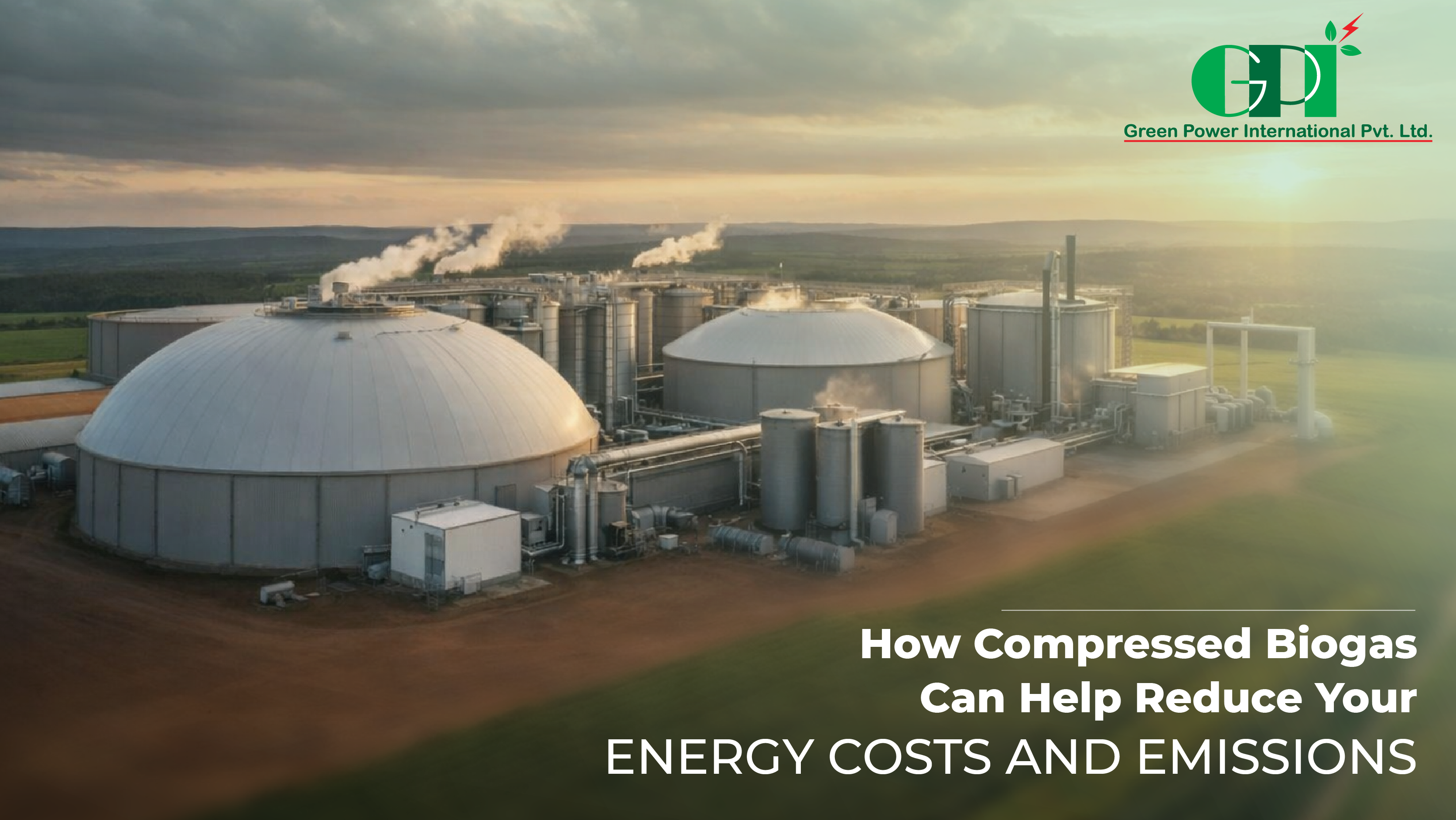
Compressed biogas is a renewable fuel produced from organic materials such as agricultural residue, cattle dung, food waste, municipal organic waste, and other biodegradable feedstocks. The biogas generated through the decomposition of these materials is purified and upgraded before being compressed for use as a fuel.
Since its properties are similar to compressed natural gas (CNG), CBG can be used across transportation, industrial, and commercial applications. This compatibility allows organizations to adopt a cleaner fuel source without making major changes to existing systems.
Why Is Compressed Biogas Receiving Increased Attention in India?
Understanding the technology is only one part of the story. The bigger question is why compressed biogas has become such an important topic in India's energy sector.
The answer lies in a combination of economic, environmental, and operational factors. As the country works toward strengthening energy security, improving waste management practices, and increasing the use of renewable energy, CBG is increasingly being viewed as a solution that can contribute to all these objectives.
India Is Looking for Greater Energy Independence
One of the key reasons compressed biogas is attracting attention is its potential to support domestic energy production.
India continues to experience rising energy demand across industries, transportation networks, and urban centers. Dependence on imported fuels can expose businesses and consumers to fluctuations in global supply and pricing. Compressed biogas offers an opportunity to produce fuel from resources that are already available within the country.
Agricultural residue, livestock waste, food waste, and municipal organic waste can all contribute to fuel production. This ability to generate energy from local resources makes CBG an increasingly important part of discussions around long-term energy resilience.
Waste Is Being Viewed as a Valuable Resource
Organic waste has traditionally been seen as a disposal challenge. Today, that perspective is changing.
Compressed biogas projects help convert waste into a productive resource. Agricultural waste, food processing waste, and biodegradable municipal waste can all serve as feedstocks for fuel production. This creates an opportunity to extract value from materials that might otherwise remain underutilized.
The growing emphasis on circular economy practices has further strengthened interest in CBG, as it supports the idea of making better use of available resources while reducing waste-related challenges.
Government Support Is Accelerating Growth
Government initiatives have also contributed significantly to the increasing attention surrounding compressed biogas.
Policies promoting renewable energy, alternative fuels, and waste-to-energy projects have encouraged greater participation from developers and investors. The sector is gradually moving from pilot-scale discussions to large-scale implementation.
This momentum is reflected in the sector's growth. As of early 2026, India had 132 operational compressed biogas plants with a combined production capacity of 920 tonnes per day. The figure highlights the increasing confidence in CBG projects and the growing infrastructure being developed to support the industry.
Industries Need Practical Cleaner Fuel Options
Businesses across sectors are under increasing pressure to improve sustainability performance and reduce emissions.
Many organizations are looking for solutions that can support these goals while remaining operationally practical. Compressed biogas offers a compelling option because it can be used in several applications that already rely on gas-based fuels.
This allows industries to incorporate renewable energy sources into their operations while maintaining continuity and efficiency. The combination of environmental benefits and practical usability is one of the reasons CBG continues to gain traction.
Existing Infrastructure Supports Faster Adoption
The adoption of any alternative fuel often depends on how easily it can fit into existing systems.
Compressed biogas benefits from having characteristics similar to natural gas. This makes it easier to integrate into many existing applications across transportation and industry. Since extensive infrastructure changes are not always required, organizations can evaluate CBG as a viable renewable fuel option with greater confidence.
This compatibility is helping accelerate interest across multiple sectors.
CBG Creates Opportunities Beyond Energy Production
Another reason compressed biogas is receiving attention is its potential to create broader economic benefits.
Many CBG projects depend on locally sourced feedstocks, creating opportunities for farmers, waste aggregators, and other stakeholders to participate in the value chain. Materials that once had limited economic value can become part of a structured supply network supporting renewable energy production.
This connection between energy generation and local resource utilization adds another dimension to the growing appeal of CBG.
Why Strong Project Execution Matters
As interest in compressed biogas continues to grow, successful project execution becomes increasingly important. The long-term performance of a CBG facility depends on factors such as engineering quality, feedstock management, installation standards, project coordination, and operational planning.
From our experience at Green Power International, we have seen that well-executed projects are built on a strong foundation of technical expertise and careful planning. We support compressed biogas projects through EPC and EPCM services, helping developers manage engineering, procurement, construction, and overall project execution through an integrated approach.
Our capabilities also include project management services, which help ensure efficient oversight, resource coordination, and smooth execution throughout the project lifecycle. Through our installation services, we support the implementation of systems that align with project requirements and industry standards.
As project requirements continue to evolve, scalability is becoming equally important. Our package module solutions provide ready and customizable options that support efficient project integration and future expansion. We also bring experience working with diverse feedstocks, allowing us to support projects that require flexibility and adaptability based on local resource availability.
As the sector expands, the role of experienced bio gas EPC contractors in India will become increasingly important in helping developers build efficient, reliable, and scalable facilities.
Conclusion
Compressed biogas is receiving increased attention in India because it addresses several important priorities simultaneously. It supports domestic energy production, creates value from organic waste, aligns with sustainability goals, and benefits from growing policy support.
As we observe the continued development of the sector, it is clear that CBG is becoming an increasingly important part of India's renewable energy journey. With continued investment, supportive policies, and strong project execution, compressed biogas has the potential to play a meaningful role in building a more sustainable and resource-efficient energy future.