Key Benefits Of Hydrogen Power Generation For Large-Scale Industries
Clean energy has become a main focus for industries worldwide, reshaping how power is produced and consumed. Hydrogen is emerging as one of the most promising energy sources that can help industries transition toward sustainability while preserving operational reliability. For large-scale industries that rely on continued and heavy power loads, the value of a hydrogen-based power plant lies in its effectiveness, scalability, and environmental compatibility. Hydrogen represents the next step toward attaining energy security and carbon-neutral industrial growth.
Benefits Of Hydrogen Power Generation For Industries
Reliable And Flexible Energy Supply
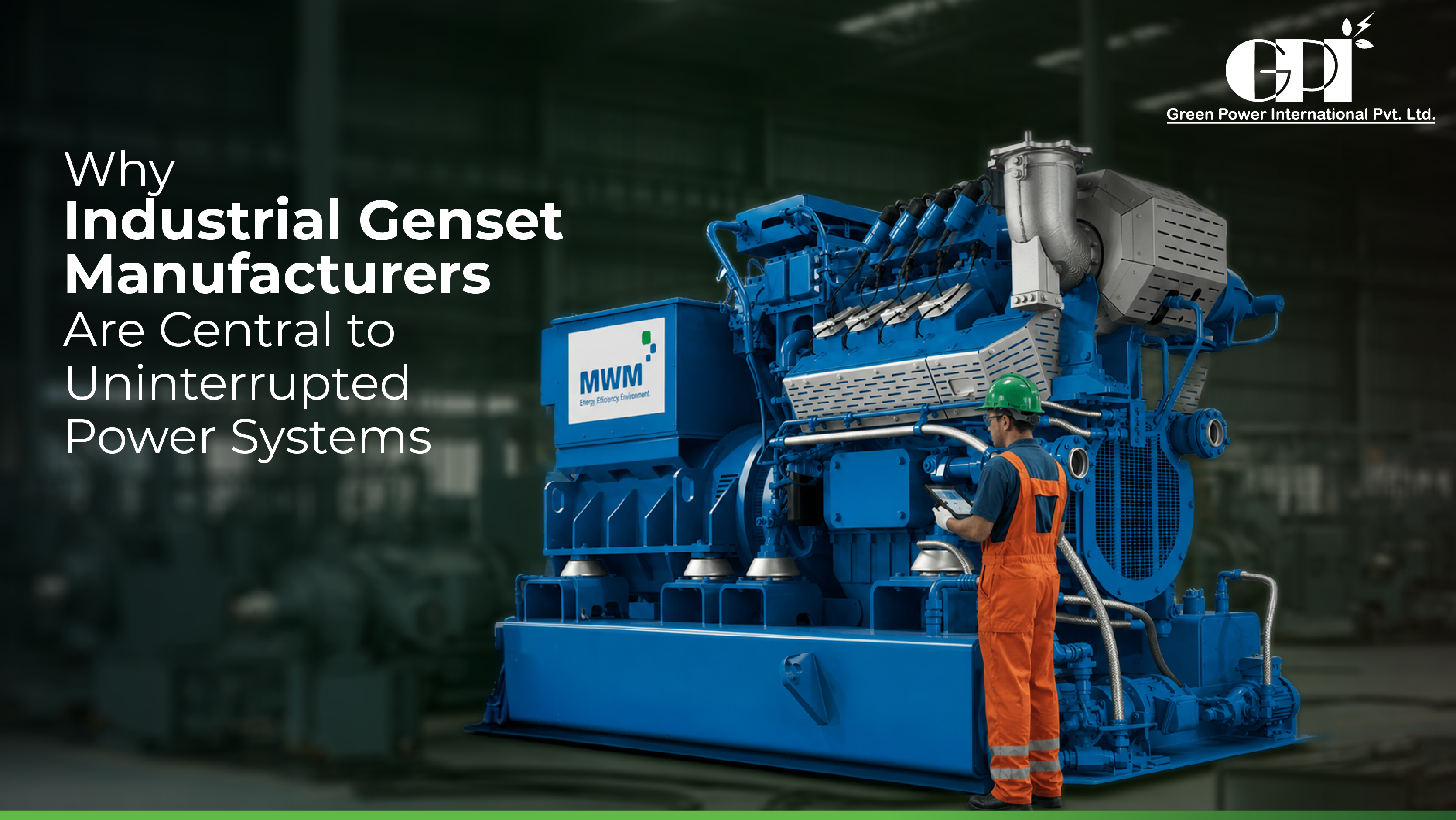
Large industrial operations demand steady and long-lasting energy to maintain production and equipment performance. Power interruptions can lead to significant production losses, making reliability a top concern. Hydrogen-based systems deliver that reliability through steady energy output and operational flexibility. Modern gas generator sets configured for hydrogen or hydrogen blends can keep power seamless during fluctuations in demand. These systems can operate independently from the grid, allowing industries to maintain operations even during outages or supply disturbances. The ability to store hydrogen for prolonged durations adds another layer of resilience, ensuring that facilities always have access to backup energy when required.
This flexibility supports industries such as steel, cement, and chemicals, sectors where energy use is high and continuity is critical. When industries combine hydrogen with their current power infrastructure, they achieve steadier operations and a smoother shift toward cleaner energy sources.
Cleaner Operations And Reduced Emissions
Hydrogen power generation is one of the cleanest technologies available today. The process produces energy with water vapor as the primary by-product, eliminating greenhouse gas emissions from combustion. Adopting hydrogen aligns with international climate goals and meets tightening environmental regulations aimed at decarbonizing industrial processes.
The International Energy Agency’s Global Hydrogen Review 2025 projects that low-emission hydrogen production will reach 1 million tonnes by the end of 2025, reflecting the growing global shift toward hydrogen-based solutions.
For industries, this shift presents a clear opportunity to reduce emissions while maintaining production efficiency. It also strengthens compliance with environmental, social, and governance (ESG) objectives, an increasingly important factor for investors and global supply chains.
Integration With Renewable Energy Systems
Hydrogen adds strategic strength to renewable energy adoption. A hydrogen generation plant can transform surplus electricity from renewable sources like solar and wind into hydrogen through electrolysis. The hydrogen produced can then be stored and used to generate power when the renewable supply is low or demand peaks. This approach helps industries balance their energy mix, ensuring uninterrupted operations while helping to achieve sustainability goals.
Hydrogen storage works seamlessly with renewable energy systems, helping industries balance power supply, minimize energy loss, and maintain consistent efficiency. It plays an essential role in achieving both operational stability and cleaner energy outcomes.
Improved Efficiency And Long-Term Value
Hydrogen has a high calorific value, allowing it to generate more power per unit in comparison to several fossil fuels. This translates into improved operational efficiency, less fuel consumption, and constant energy output. Advanced generator technologies now make it feasible to run systems fully on hydrogen or blended fuels, providing flexibility for industries to transition at their own pace.
A well-designed hydrogen-based power plant can also reduce long-term operating costs. Maintenance needs are normally lower compared to traditional systems, and the durability of hydrogen-ready generators assures consistent performance over years of operation. As hydrogen production technologies advance, costs are predicted to stabilize, giving industries significant control over their energy budgets.
Energy Security And Self-Sufficiency
Industries face growing risks from fluctuating fuel prices and supply chain disruptions. Hydrogen addresses these challenges by allowing on-site or locally sourced fuel generation. A hydrogen generation plant enables companies to produce their own energy feedstock, reducing dependence on imported fuels. The ability to store hydrogen safely over long periods ensures that industries maintain control over their energy supply even during external disturbances.
Energy self-sufficiency enhances strategic resilience. For industries located in remote areas or regions with unstable power supply, hydrogen provides a dependable alternative that supports long-term operational stability.
Future-Ready Industrial Strategy
Hydrogen offers a foundation for building future-oriented energy systems. As global markets move toward decarbonization, industries that adopt hydrogen technologies early will be better positioned to adapt to evolving policies, carbon regulations, and market expectations. Hydrogen-ready gas generator sets permit a phased approach, allowing a gradual transition from fossil fuels to clean hydrogen-based operation without the need for complete infrastructure replacement.
This adaptability provides industries with the flexibility to align their energy strategies with emerging standards and government incentives. It also reinforces their image as forward-thinking organizations that invest in sustainable innovation.
Strategic Benefits For Large-Scale Industries
Hydrogen power generation provides a set of tangible benefits that extend beyond environmental compliance:
- Operational continuity through stable, high-output energy systems.
- Lower emissions supporting sustainability commitments and ESG compliance.
- Integration with renewables, guaranteeing balanced and efficient energy use.
- Cost predictability through efficient fuel utilization and decreased maintenance.
- Energy independence, minimizing risks linked to external supply chains.
- Regulatory readiness, aligning with global policy shifts toward green energy.
Hydrogen has become central to the global energy transition, offering large-scale industries a chance to achieve cleaner, more effective, and more reliable power generation. The technology continues to evolve, and adoption is accelerating as industries identify its potential to change the way energy is produced and managed.
Our team at Green Power International stays determined to help industries harness this potential. Through our expertise in gas generator sets and turnkey EPC solutions, we offer hydrogen-enabled energy systems that empower industries to operate efficiently, sustainably, and confidently. The shift toward hydrogen power generation is not a faraway vision; it is the next step toward an industrial future driven by innovation and clean energy.